
The Crisis Between the Emergencies
Non-emergency calls are overwhelming PSAPs. Traditional diversion strategies have hit their ceiling. A new generation of conversational AI is changing how cente...

Editor in Chief
AI tools are often sold to PSAPs as time-savers. In practice, outcomes vary widely. Some centers report meaningful reductions in QA workload or faster call review. Others find that the same tools initially add work.
The difference usually isn’t the model. It’s the workflow.
In PSAPs where AI saves time, the technology is scoped narrowly to a specific task—such as flagging a limited set of calls for supervisor review or assisting with post-incident analysis. Expectations are clear, human review remains mandatory, and outputs are treated as decision support, not answers.
Where AI adds work, it’s often because it’s applied too broadly. Automated transcription that isn’t tuned to local noise, accents, or radio traffic can require extensive cleanup. Keyword alerts that aren’t carefully configured can overwhelm supervisors with false positives. In these cases, staff spend more time validating AI output than they did reviewing calls manually.
Governance matters just as much. Agencies that define who reviews AI output, how errors are handled, and when the tool should not be used tend to see better results. Those that skip this step often discover the cost later.
AI doesn’t save time by default. It saves time when it fits the work that’s already happening—and stays within clearly defined boundaries.
Non-emergency calls are overwhelming PSAPs. Traditional diversion strategies have hit their ceiling. A new generation of conversational AI is changing how cente...
Editor in Chief
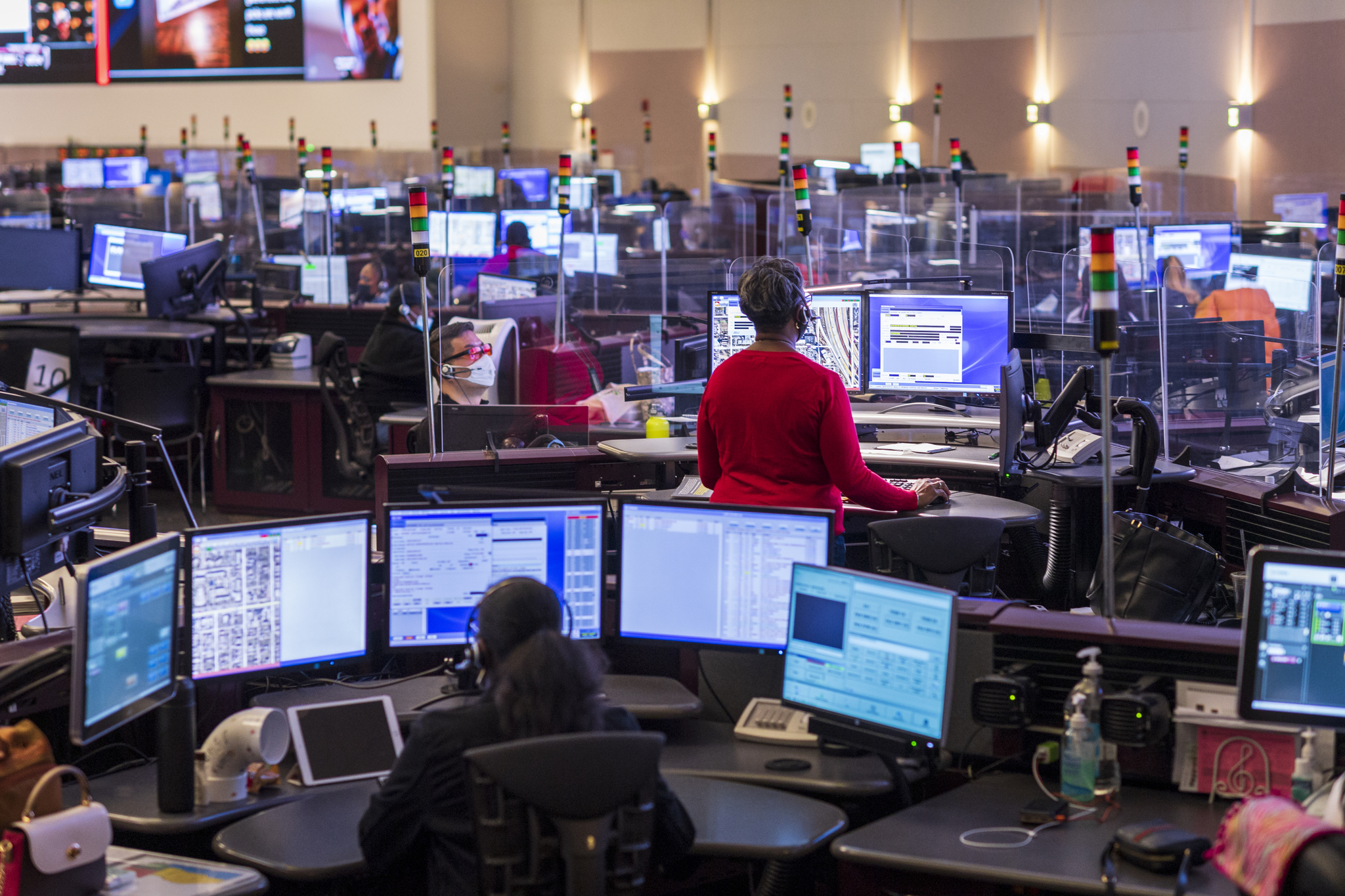
NG911 enables things legacy systems never could: richer data, faster interoperability, and more flexible routing. That matters for AI—but not always in the ways...

Contributing Editor

Most automation in 911 doesn’t arrive all at once. It creeps.A tool is introduced to “assist.” Over time, staff begin to rely on its outputs because they’re fas...

Senior Editor